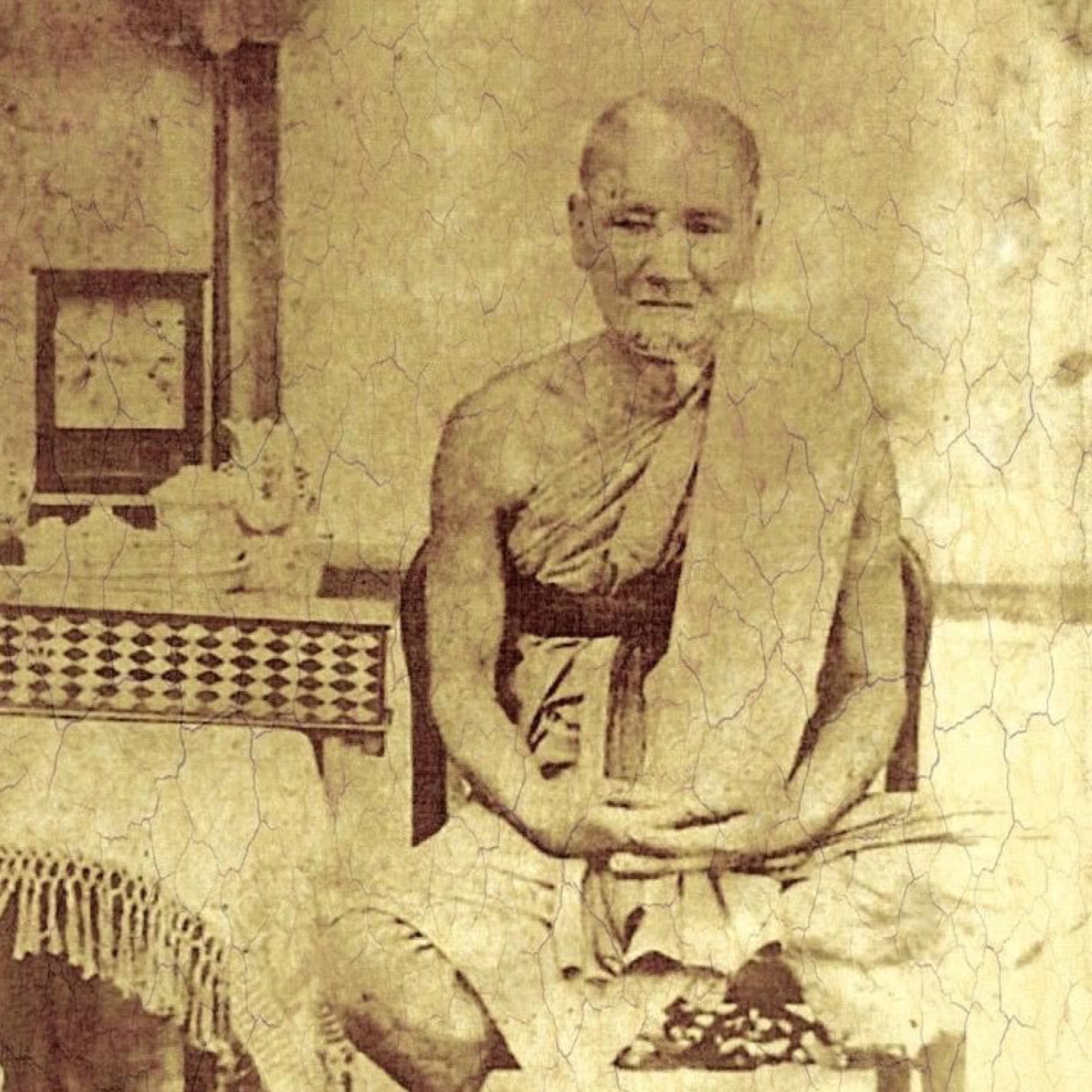
Luang Pu Aiem, a holy monk who is sacred beyond time
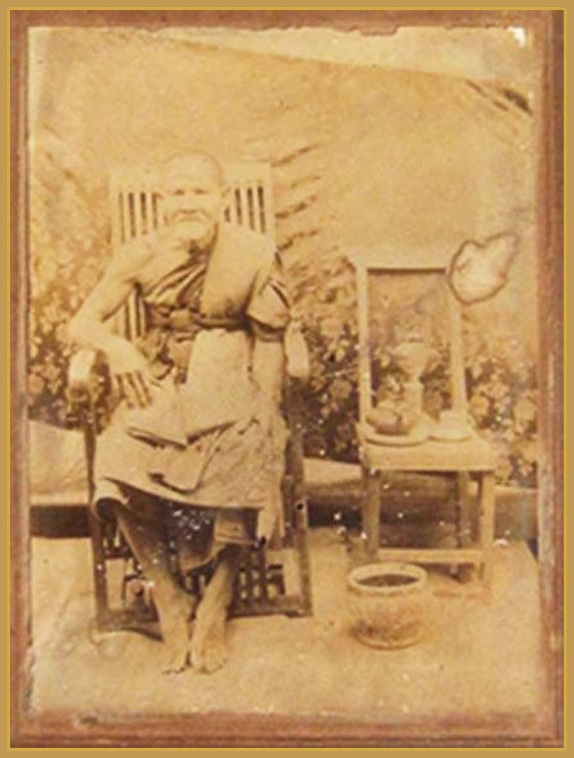
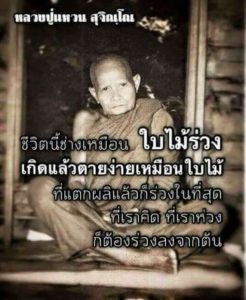
Luang Pu Eiam Pathamanam (pronounced Phatthamanama) is a famous monk with supernatural powers in meditation and magic. He is the author of the Solos Mongkhon mantra. He was born in the reign of King Rama II in the Year of the Ox, 2, the son of Mr. Nak and Mrs. Chan. He had four siblings: 2359. Luang Pu Eiam, 4. Mr. Fak, 1. Mr. Kham, and 2. Mrs. Im. He was from Ban Laem Yai, Pak Kret District, Nonthaburi Province.
In the year 2381, at the age of 22, he was ordained as a monk at Wat Bo, Nonthaburi. Later, he moved to reside during the Buddhist Lent at Wat Kalyanamit, Thonburi, to study Buddhist scriptures and translate Dhamma for 7 years. Later, he moved to reside during the Buddhist Lent at Wat Prayurawongsawas until the year 2389, when Mr. Khaek, the accountant, invited Luang Pu Eiam to reside during the Buddhist Lent and practice meditation for the first time, where he studied for 5 years.
In 2396, relatives and laypeople in his original hometown of Khlong Laem Yai (now Khlong Phra Udom), Pak Kret District, Nonthaburi Province, invited Luang Pu Eiam to return to govern Wat Sawang Arom, or Wat Saphan Sung, as it is today.
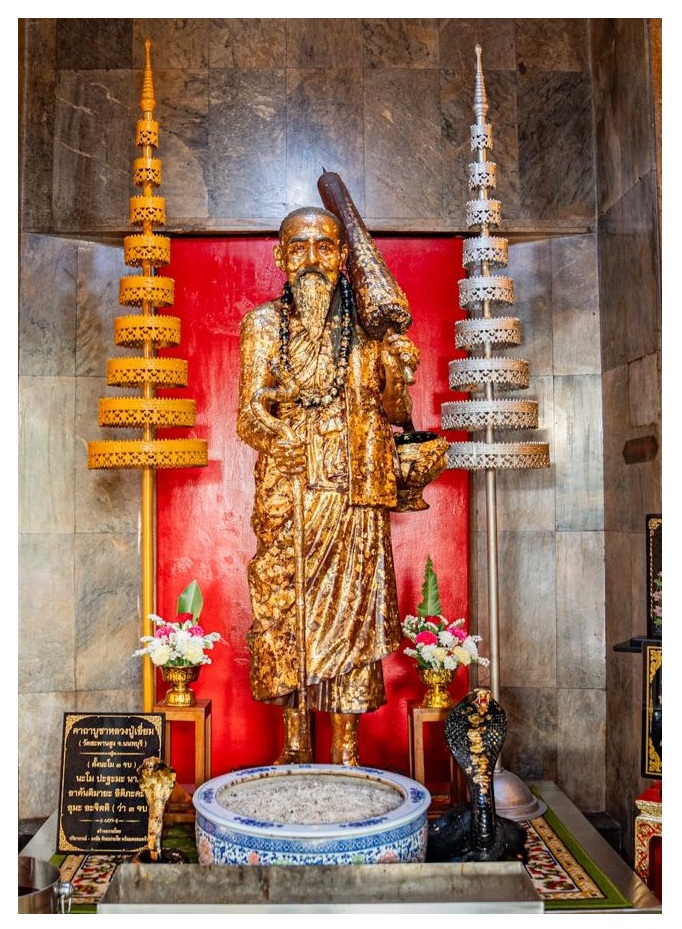
Luang Pu Eiam left Saphan Sung Temple and went on a pilgrimage to Cambodia. During his pilgrimage, he met a white-robed Cambodian woman named Chan Luang Pu Eiam. He studied supernatural powers for many years until the monks and villagers thought that he had passed away. They made offerings to the monks and shared their merit with him. Luang Pu Eiam knew this through his sixth sense, so he returned to the temple.
Luang Pu Aiem walked on a pilgrimage through the forests and mountains for many years. He did not shave his head or shave. His hair was long to his waist, his beard was long and full, and his robes were torn and ragged. He was also accompanied by wild animals such as bears, tigers, and king cobras, etc.
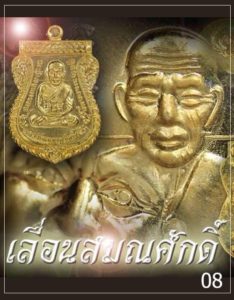
From this meditation retreat, Luang Pu Eiam mastered the “Sorlo” technique. He also possessed powerful magic, sacred speech, was content with little, was content, and had high compassion. He helped all relatives and devotees when they were in trouble. He created many popular amulets, Phra Pidta and Takrut Tone Maha Solasomongkol. He was a model for developing temples and Buddhism to flourish until today.
Before Luang Pu Eiam passed away, Mr. Run Jaengma, a close disciple, asked him, “The teacher has reached his full potential. If you have anything to say, please give instructions and let the disciples know for the last time.” To which Luang Pu Eiam replied, “If any suffering occurs, please remember him and mention his name.”
Luang Pu Aiem died of old age on Sunday, the 8th day of the waxing moon in the 9th month (August 16, 2439), at the age of 80 years and 59 years of monkhood.
.
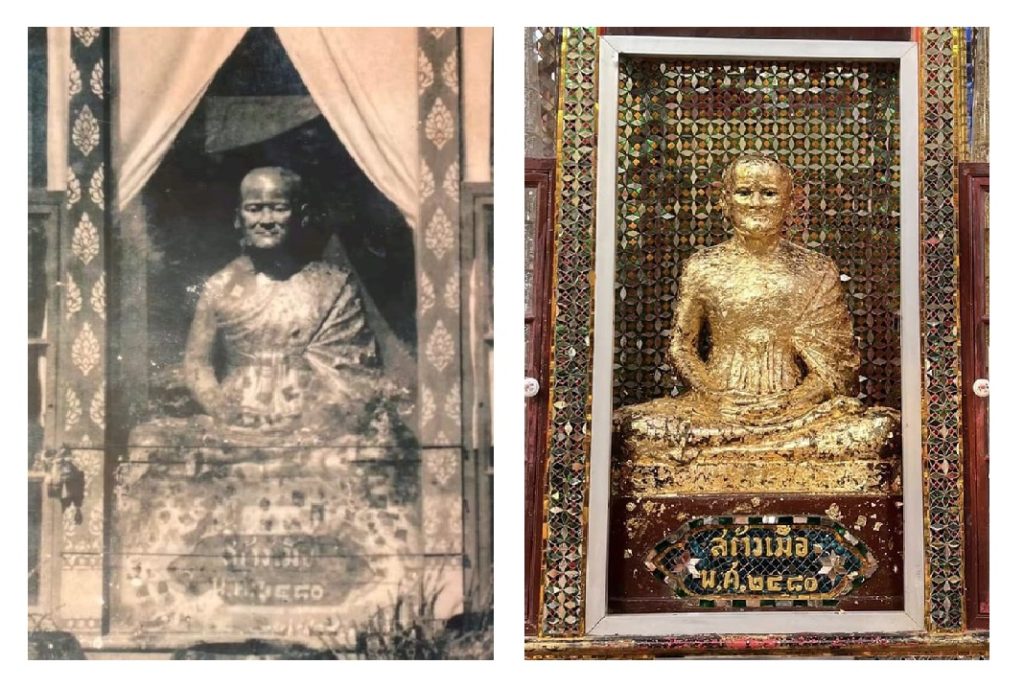
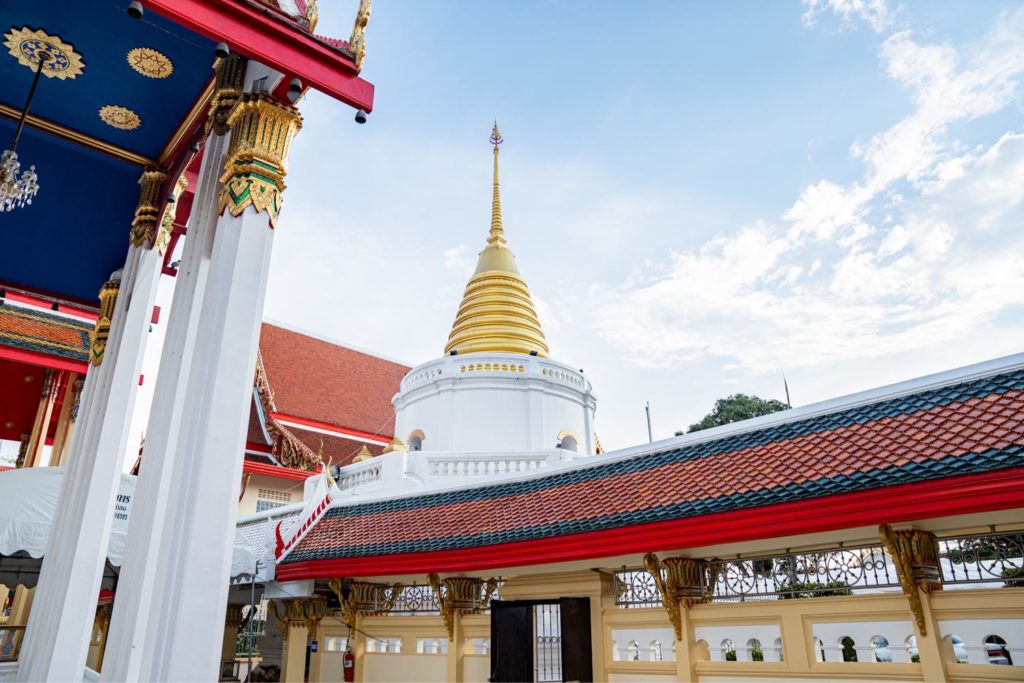
History of Saphan Sung Temple (Sawang Arom Temple)
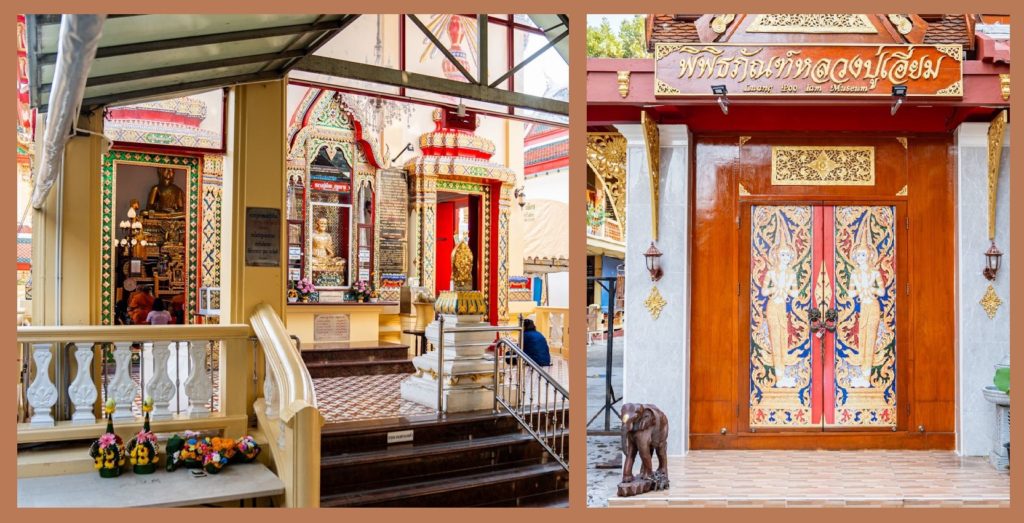
This ancient temple is located in Khlong Phra Udom Subdistrict, Pak Kret District, Nonthaburi Province. The original name was Wat Sawang Arom. The name was changed to Wat Saphan Sung because His Holiness Somdech Phra Maha Samana Chao Krom Phraya Vajirananavarorasa of Wat Bowonniwet Vihara had finished inspecting the Sangha and had come to Wat Sawang Arom. He saw a high bridge crossing the temple canal (currently Khlong Phra Udom). The locals had already called Wat Sawang Arom Wat Saphan Sung. Therefore, His Holiness Somdech Phra Vajirananavarorasa saw that the high bridge was a good sign and the locals had come to call it Wat Saphan Sung. Therefore, he had the temple’s name changed to “Wat Saphan Sung” until today.
When he first came to Wat Saphan Sung, the temple was in a very dilapidated state and there were only two monks for each day of the Buddhist Lent. He therefore spoke to Luang Phibun Sombat, a native of Bang Lamphu, Phra Nakhon, to help with the construction of the ordination hall and permanent buildings. Luang Phibun Sombat asked for donations to build the temple. At that time, Luang Pu Eiam began making the first Phra Pidta and Takruts to be given as souvenirs to donors. Wat Saphan Sung then flourished.
.
.
.
Thanks for the information and pictures from…
.
.
Th.wikipedia.org
Pinterest.com
thairath.co.th
th.trip.com
maps.google.com
monkhistory.kachon.com