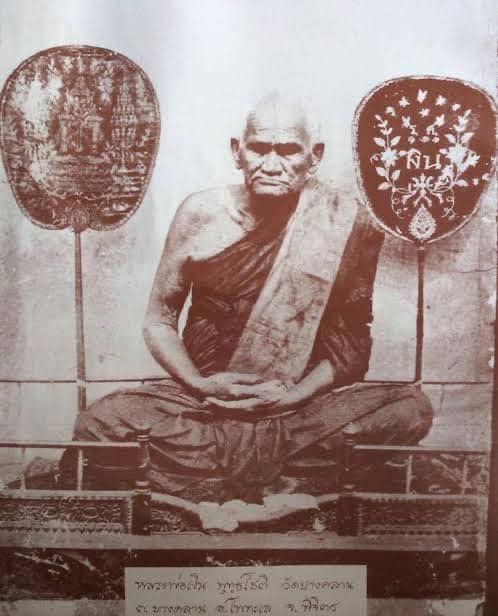
Luang Pho Ngern: His Excellency, a Vipassana Master
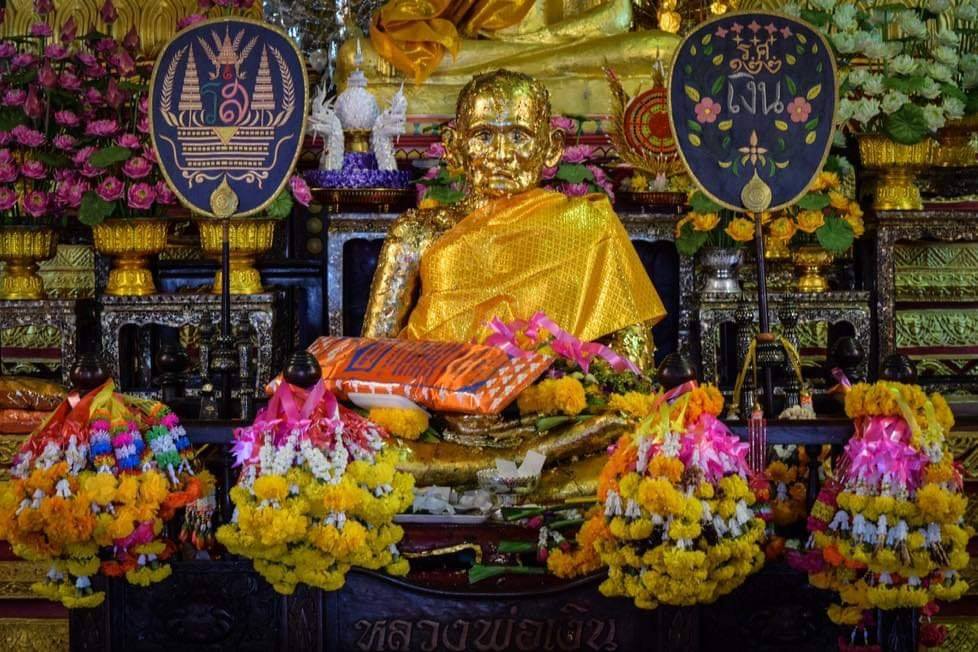
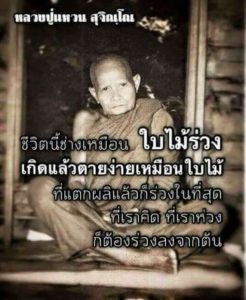
Luang Pho Ngern was born on September 16, 2351 (some say 2348-2553). He was born in the late reign of King Rama I or the beginning of King Rama II. His father was named Wu, a native of Bang Khlan, Phichit. His mother was named Fak, a native of Saen To, Kamphaeng Phet. He had six siblings. Luang Pho Ngern was the fourth child.
Luang Pho Ngern was 5 years old in 2356 when his teacher, Mr. Chuang, took him to live in Bangkok. He studied at Wat Tong Pu (Wat Chana Songkhram) until he was 12 years old when he was ordained as a novice to study the Dharma and Vinaya. At the age of 22 in 2373, he was ordained as a monk at Wat Chana Songkhram and received the religious name Phutthachoti.
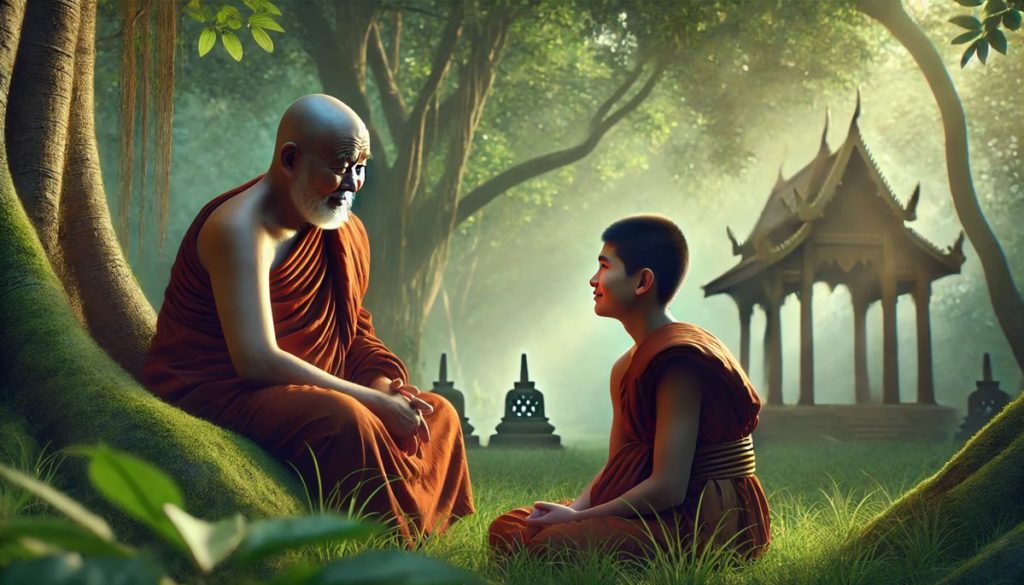
Luang Pho Ngern, while he was staying at Wat Chana Songkhram, went to become a disciple of Somdej Phra Phutthachan (To) Phrommarangsi of Wat Rakhang Khositaram to study the arts and sciences, as well as Vipassana Dhura, the subject of Metta Maha Niyom, and Kongkraphan Chatri.
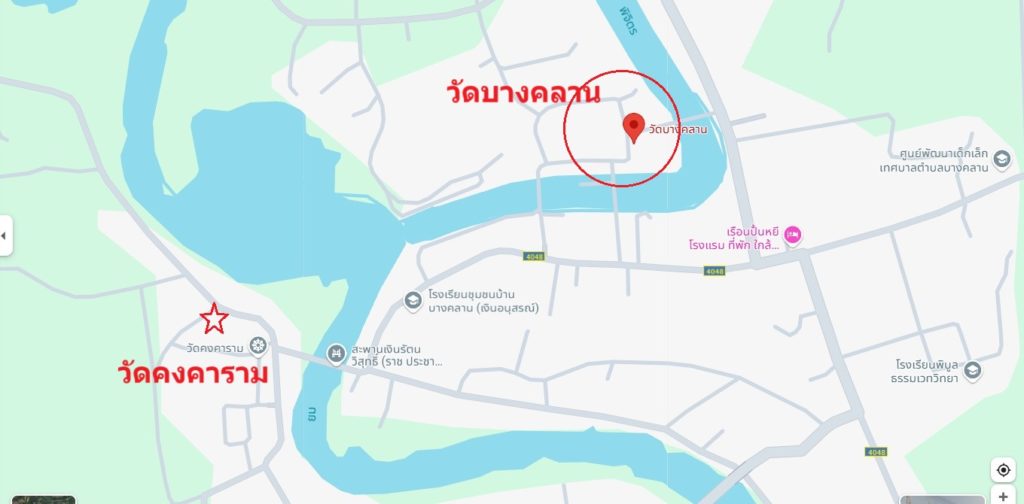
After staying in Bangkok for 3 years, his elder brother, Khun Phumra, traveled to take him back to reside at Wat Kongkaram (Wat Bang Khlan Tai), Phichit, because his grandfather had fallen ill and needed someone to take care of him. Luang Pho Ngern had studied traditional medicine and treated patients, so he traveled back to his hometown.
.
.
The noble monks who have done great service
Luang Pho Ngoen was a highly respected and renowned Vipassana meditation master. He was a fellow disciple of Luang Pu Suk of Wat Pak Khlong Makham Thao, Chai Nat (and a close friend). Luang Pu Suk even recommended Prince Chumphon Khet Udomsak to study Vipassana with Luang Pho Ngoen. Furthermore, Somdej Phra Maha Saman Chao Krom Phra Yavachirayanavaroros also stayed at Wat Wang Tako for several days to study Vipassana with Luang Pho Ngoen.
Other knowledge of Luang Pho Ngern: He was a traditional medicine doctor who was skilled in herbal medicine, oil, and holy water. Currently, his herbal medicine book is still kept at Wat Bang Khlan.
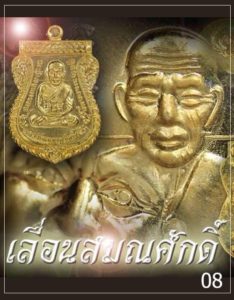
He is a monk who develops and builds many permanent structures and also helps maintain nearby temples. He is the one who oversees the construction and collects funds from making sacred objects such as amulets, various Buddha amulets, and Buddha statues to build many other public utilities.
Luang Pho Ngern was appointed as the Upachaya and the ecclesiastical title was the Lord Abbot of the Vipassana sect. He died of old age before dawn on September 20, 2462 at around 111 a.m. at the age of XNUMX.
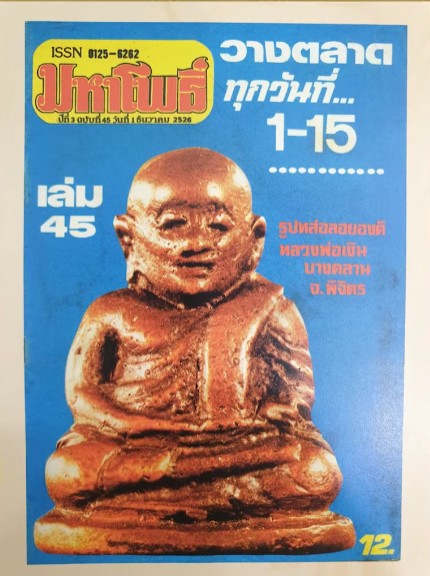
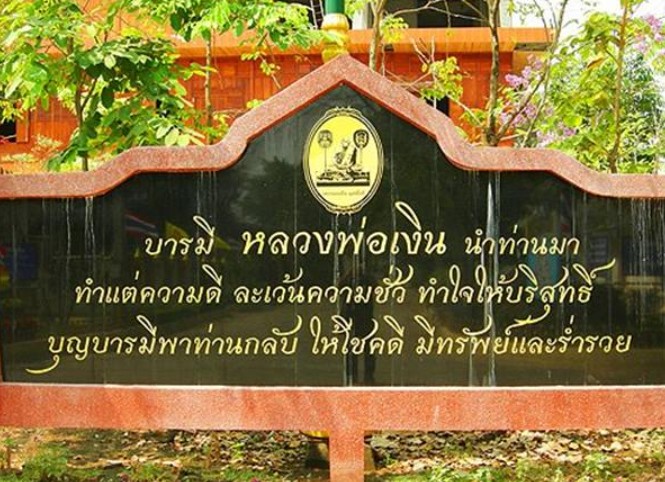
Luang Pho Ngoen Phutthachoti, a renowned monk from Phichit province, may have passed away long ago, but stories of his miracles and the amulets he created remain highly popular among amulet collectors. Luang Pho Ngoen amulets are highly valued and rare, believed to offer protection, ward off danger, provide invincibility, and bestow charm, popularity, and good fortune upon those who worship them.
.
.
.
.
.
.
.
.
.
History of Bangklan Temple: Wat Hiranratham (around 2377)
Wat Hiran Ram, or as locals often call it, Wat Bang Khlan, was originally Wat Wang Tako, located on the banks of the old Nan River, Tambon Bang Khlan, Amphoe Pho Thale, Phichit. People generally know this temple as Wat Luang Pho Ngoen Bang Khlan. It is an old temple that has been around since 2370.
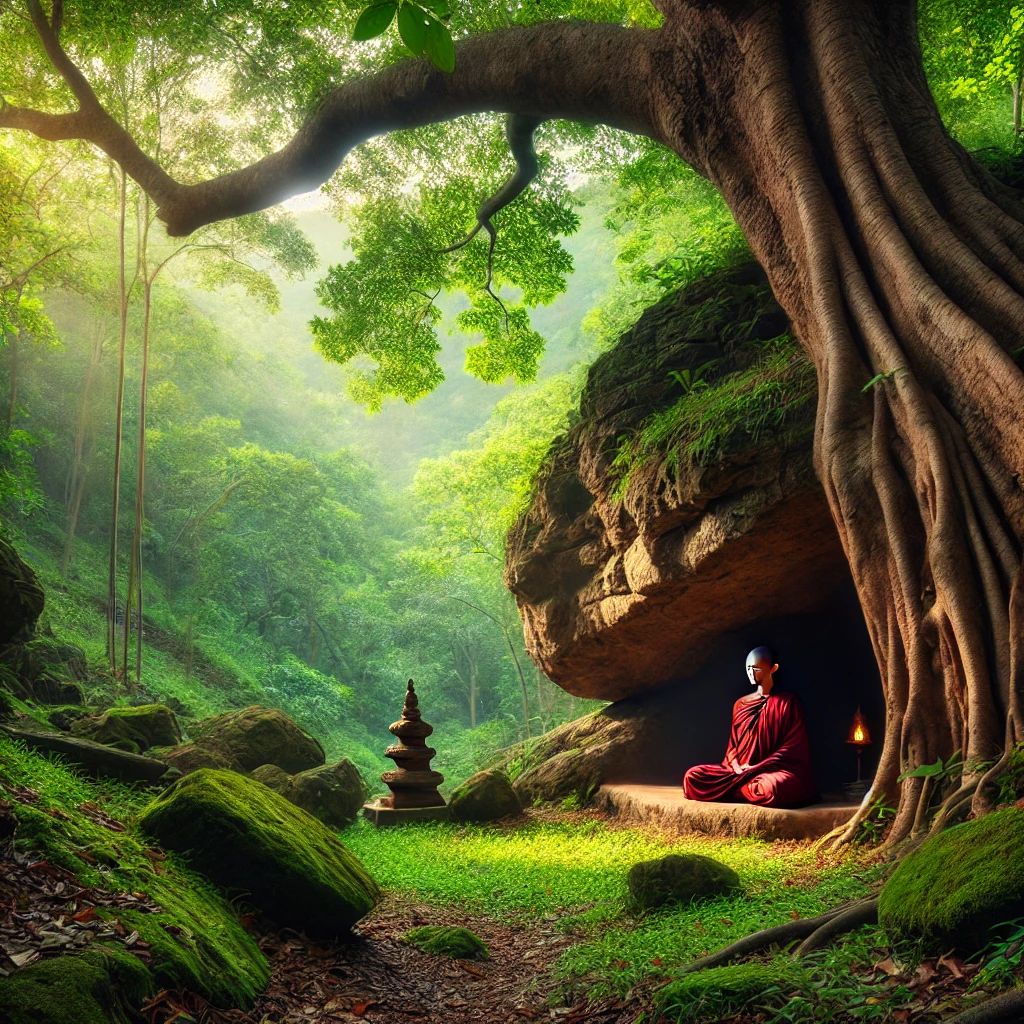
Wat Hiranyaram was built by Luang Pho Ngoen Phutthachoti because he considered the area to be a peaceful, secluded dense forest, yet not far from any human settlements, making it ideal for meditation practice. Therefore, he established the temple there.
*It is said that after Luang Pho Ngoen returned to reside at Wat Khongkharam (Wat Bang Khlan Tai) for one year, being a practitioner of Vipassana meditation, he sought a peaceful place suitable for his spiritual practice. He saw that between the Yom and Phichit rivers, where they converged, there was an abandoned temple surrounded by lush forest, a secluded place very suitable for practicing Vipassana meditation. Therefore, he went to build a new temple, choosing a location about 500 meters inland from the old abandoned temple. He named it Wat Wang Tako after the village, later changing the name to Wat Bang Khlan or Wat Hiranyaram.
Before leaving Wat Kongkaram, he went to pay respect to the principal Buddha image in the chapel, prayed to build a new temple, and broke off a Bodhi branch in front of the chapel to bring with him. He took a boat across the river to the northern bank near Wang Tako village. Luang Pho Ngern planted a Bodhi tree and prayed, “If this place will prosper in the future and become a land of religion and Dharma, may the Bodhi branch that he planted grow and flourish forever.” After that, the prayed Bodhi tree grew along with Wat Wang Tako (Wat Bang Khlan), which originally had only a thatched-roof hut. It gradually flourished along with Luang Pho Ngern’s fame that spread far and wide in every direction.
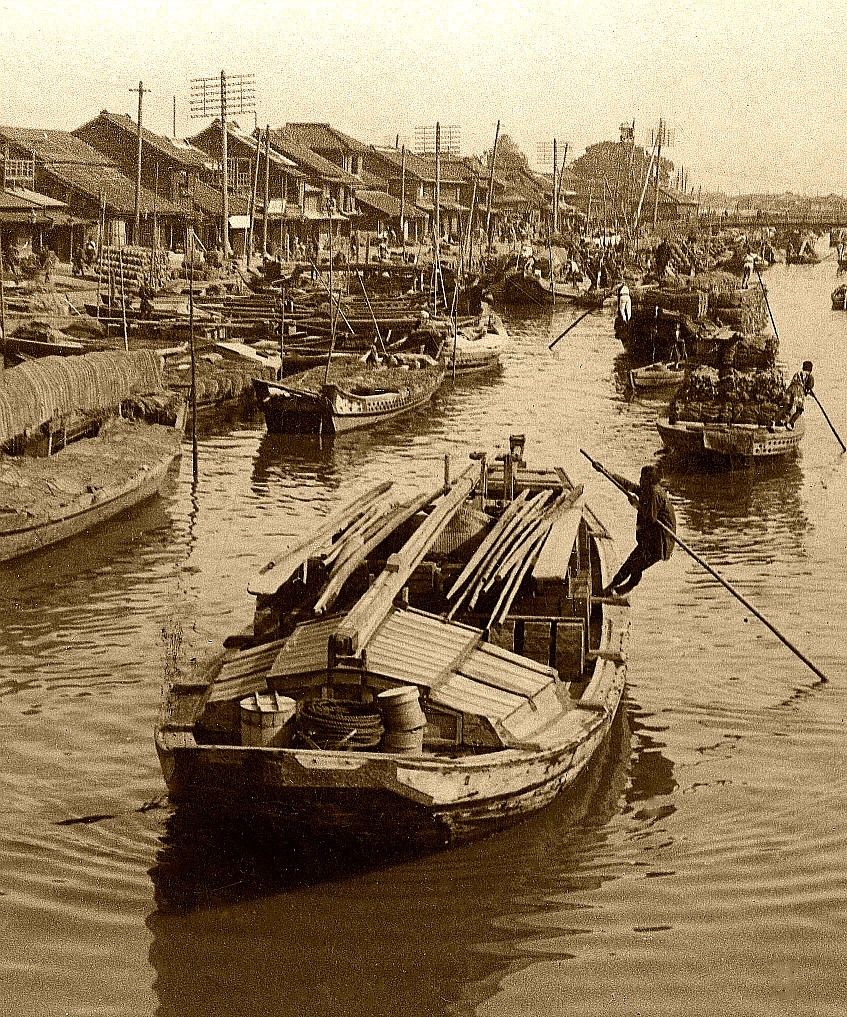
Throughout the period that he resided at Wat Wang Tako, many people respected him and offered themselves as his disciples. People came to ask for amulets, to ask him to help treat them according to traditional medicine, to bathe in holy water to increase their auspiciousness, especially the sailors who went up and down, who regularly parked their boats in front of the temple to ask for blessings and bathe in holy water. Many people asked to ordain at the temple, with Luang Pho Ngern as the preceptor.
Later, the temple was renamed by using the auspicious name of Luang Por Ngern as the temple name “Hiranyaram” which means “money”. Even today, there are still people who respect and believe in the long-told miracles of Luang Por Ngern. They come to pay homage to him without fail, so much so that there is a saying that…
Wat Luang Pho Ngern, faith never wanes
.
Thanks for the information and pictures from…
Th.wikipedia.org
Pinterest.com
Sanook.com
Tnews.co.th
Thairath.co.th
Khaosod.co.th
Tnews.co.th